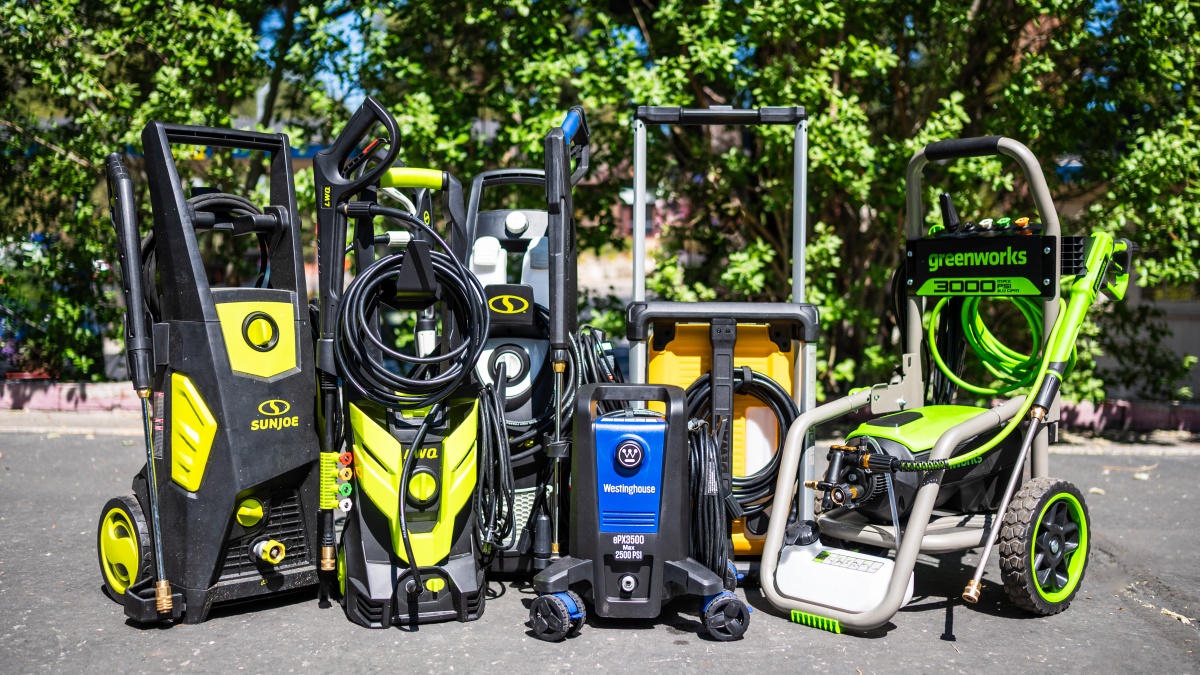
Pressure washing quickly cleans years of accumulated dirt, but incorrect pressure or technique can damage wood, strip paint, or dislodge roof tiles. This guide explains when to use high-pressure cleaning and when to switch to low-pressure soft washing with the correct chemicals from StoneSealer.
You will find clear explanations of the difference between pressure washing and soft washing, how PSI and nozzle selection affect the results, and a compact surface decision guide for roofs, exteriors, wood, brick, and concrete. The article also covers realistic price examples, DIY equipment and techniques, and a seven-point checklist for hiring contractors. Use the steps here to plan house washing, driveway cleaning, or other surface jobs while avoiding common mistakes.
Quick summary
- Pick the right method: Use high pressure for durable surfaces such as concrete, stone and pavers, and use soft wash with appropriate cleaners for roofs, painted siding, and delicate stone.
- Match PSI and nozzle: Follow manufacturer PSI ranges and choose the correct tip; excessive pressure or the wrong angle can strip paint or gouge wood.
- Test first: Do a 2×2 ft patch with your chosen settings and cleaner to fine-tune pressure, nozzle, and chemistry before doing the whole job.
- Budget realistically: expect roughly $0.50 to $1.00 CAD per sqft for pros; renting equipment and buying biodegradable cleaners affect DIY costs.
- Hire carefully: check license, insurance, references, and environmental controls for roofs or complex jobs to avoid unexpected repairs.
Pressure washing vs soft wash: what to use where
Pressure washing is a mechanical cleaning method that uses a high-pressure water flow to remove dirt and stains. The pressure (PSI) used for pressure washing in residential areas typically ranges from 1,300 to 3,000, depending on the surface and nozzle. This high-pressure spraying is effective in removing heavy dirt from concrete, metal, and other hard surfaces, but if misused, it can erode soft materials or strip coatings. Even hard surfaces benefit from using eco-friendly chemicals for pre-treatment; this helps remove dirt, rust, and stains, so you don’t have to put in too much effort.
Soft washing combines low-pressure rinsing with cleaning chemicals that break down moss, mold, and lichen from the root rather than just spraying the surface. Technicians apply detergent or biocide, allow the solution to sit for a while, and then gently rinse to protect tiles, painted exterior surfaces, stucco, and old wood. When paired with the right chemicals and concentrations, soft washing often prevents regrowth sooner than pure pressure washing. For a practical comparison of the two methods, refer to a detailed guide on soft washing and pressure washing, and consider the manufacturer’s instructions when selecting products like our recommended eco-friendly soft washing chemicals.
Choose the method based on the material, the age and condition of the surface, and whether repeated cleanings are possible. Appearance is a poor guide; a surface that looks solid may still be too fragile for direct high pressure.
- Roofs and gutters: soft wash only to protect shingles and granules.
*Certain Cedar Shakes or Tile Roofs may be washed more heavily, speak with a professional for your specific needs. - House siding and wood decks: soft wash for painted or weathered surfaces; low-pressure rinse for sealed wood.
- Brick and pavers: pressure cleaning for heavy staining; soft wash for mortar or painted brick.
- Concrete driveways: pressure wash after treating with GreaseGone MAX for oil and deep stains; a surface cleaner gives more even results.
Do a quick material test: check paint adhesion, note age and prior repairs, and press a fingernail into a hidden wood spot to test hardness. Ask how quickly algae or mildew has returned in the past so you can choose the right chemical treatment. After you pick a method, use the pricing section below to budget the work or estimate a contractor quote.
How much will it cost: realistic pricing and examples
The average cost of pressure washing services in residential areas is expected to be between $0.50 and $0.80 per square meter; depending on the location and complexity of the job, this figure can vary between $0.30 and .00. Factors that increase the cost include limited access, working on multi-story buildings, steep roofs, and more powerful chemicals or permanent stains that require more time. Many companies typically set a minimum fee of between 50 and $500 for small jobs, so small areas can be relatively expensive per square foot.
For example, with a price of $0.50 to $0.80 per square foot, the cost of a 1500 square foot house ranges from approximately $750 to 200, but extreme conditions can further increase this total. A 400-square-foot driveway typically ranges from 200 to 500 dollars, but minimum fees usually bring the practical lowest price to around 250 dollars. The daily cost of renting a consumer-grade pressure washer is approximately $80 to 50. For current market examples and detailed information, you can compare published price estimates like the cost of pressure washing to verify local price quotes. Keep in mind that the quotes on this link are usually the cheapest options that do not include insurance, training, or responsible chemicals.
While consumer-grade machines are sold for between $750 and 200, professional-grade units range from 200 to $8000. Hiring a professional usually means paying $50 to 50 per hour or a flat job fee. Hire a professional for one-off projects; the savings from renting the machine and spending extra hours are negligible. Buy the machine only if you will use it repeatedly, and rent it for large or delicate jobs. Prepare the surfaces and obtain detailed price quotes listing access fees, chemical usage, and cleaning before making a decision.
DIY gear and technique: PSI, nozzles and cleaners
Matching PSI, nozzle angle, and technique to the material produces the best results and avoids costly damage. Treat the ranges below as starting points and always run a test patch before you increase pressure or tighten the spray angle. Start with the widest spray and the lowest pressure, then make small changes while watching the test area. For further background on what PSI means for different cleaning tasks see this primer on understanding pressure washer PSI.
- Wood decks: 1,300 to 2,500 PSI with a 40° or 25° nozzle; use the lower end for older, soft boards. As low as 300 PSI will work when you pre treat with OxyShock.
- Vinyl siding: 1,500 to 2,000 PSI with a 40° tip to clear dirt from seams without gouging panels. Though, this may disturb oxidization if present. We typically recommend soft washing at under 800PSI by downstreaming OxyShock or GreaseGone on to the surface first, then soft washing away.
- Brick and masonry: 1,500 to 3,000 PSI with 25° or 15° tips for mortar-safe cleaning; avoid aggressive angles near soft mortar.
For new post construction brick and mortar, or efflorescence removal, use EffBOMB safe acid alternative - Concrete driveways: 2,500 to 3,500 PSI with a 15° tip or a rotary surface cleaner for general cleaning. Pre treat with any of our eco friendly cleaning chemicals for your individual cleaning needs.
Always follow the test-patch rule: begin at the lowest pressure and the widest tip, then increase pressure or tighten the angle only if needed. Maintain a safe distance, typically 12 to 18 inches from most surfaces and farther from windows and trim, and never use the 0° red tip on delicate materials. Wear eye protection, gloves, non-slip footwear, and add a respirator when handling concentrated detergents.
Choose cleaners that match the surface: deck-safe wood formulas for timber, dedicated house-wash detergents for siding, and concrete degreasers or oxygen bleach for driveways. Prefer biodegradable or low-VOC options to protect landscaping and runoff, and follow label directions for dwell time and dilution. For recommended product types and concentrated chemistries, review our guide to Eco Friendly Soft Wash Chemicals (French page) as well as the English product overview linked earlier.
When to hire a pro and how to pick the right contractor
Hire a professional for multistory work, fragile materials, extensive staining, or when local runoff regulations require containment. The checklist below helps you compare contractors and avoid surprises, and get everything written into the estimate.
- Confirm a valid business license and any local permits required for the work.
- Request general liability insurance and workers’ comp certificates, and ask for a Certificate of Insurance showing at least $1 million in coverage.
- Check for a state contractor license if the job includes surface preparation or repair work.
- Get a written, itemized estimate that lists each surface, the chemicals to be used, and post-job cleanup steps.
- Ask for references and recent before/after photos of similar jobs to verify quality and consistency.
- Require a runoff management plan and any environmental controls, plus details on containment and disposal. For industry best practices and recommended controls see pressure washing best management practices for runoff and site containment.
- Confirm a clear warranty or follow-up policy for work and lingering stains, with duration and coverage in writing.
To verify credentials, ask for a COI and check license numbers on your state contractor board or local permitting website. Bonds or written guarantees give you a legal remedy if work is faulty. Watch for red flags such as verbal-only quotes, refusal to show insurance, or bids so low they suggest skipped protections.
Common damage, safety steps and environmental rules
Pressure washing can deliver dramatic results but small mistakes create expensive repairs. High pressure can remove roof shingle granules, strip paint, or erode mortar and window seals, and each of those problems often requires skilled repair work. Inspect the surface and surrounding area before you spray so a clean exterior does not turn into a costly repair bill.
- Roof granule loss: do not spray shingles with concentrated high pressure; repairs can run $300 to $1,200 depending on the area affected.
- Paint stripping: use low pressure or soft wash on painted surfaces; repainting an exterior typically costs $1,000 to $5,000 depending on size and prep.
- Mortar erosion: avoid direct high-pressure hits on brick or grout; tuck pointing or mortar repair usually costs $10 to $40 per linear foot or more.
- Window and seal damage: keep distance and use wide-angle nozzles near glass; replacing sealed units often costs $200 to $800 each.
Follow a basic safety checklist for personal protection, ladder work, and electrical hazards: wear eye protection, long sleeves, chemical-resistant gloves, and non-slip boots, and secure ladders while keeping one hand free when climbing. For electrical safety use GFCI-protected outlets, unplug outdoor fixtures when possible, and never spray directly at outlets, junction boxes, or meters. Protect landscaping by pre-rinsing plants, covering sensitive areas with plastic or damp fabric, and contain runoff with berms, absorbent socks, or a collection tarp when required.
These environmental protections affect pricing and often determine whether to hire a contractor with experience in permits and containment. If containment or permits are needed, factor those costs and the contractor’s plan into your decision.
Aftercare and maintenance: sealing, scheduling and long-term results
Sealing porous surfaces such as pavers, unsealed concrete, and many manufactured stones helps lock out stains and slow water-related wear. Avoid sealers on natural stones that need to breathe or on painted surfaces where a sealer can trap moisture and lift paint. Choose water-based sealers for low odour and UV stability or solvent-based options for deeper penetration, and weigh cure time, sheen, and VOC tradeoffs against your climate and exposure.
