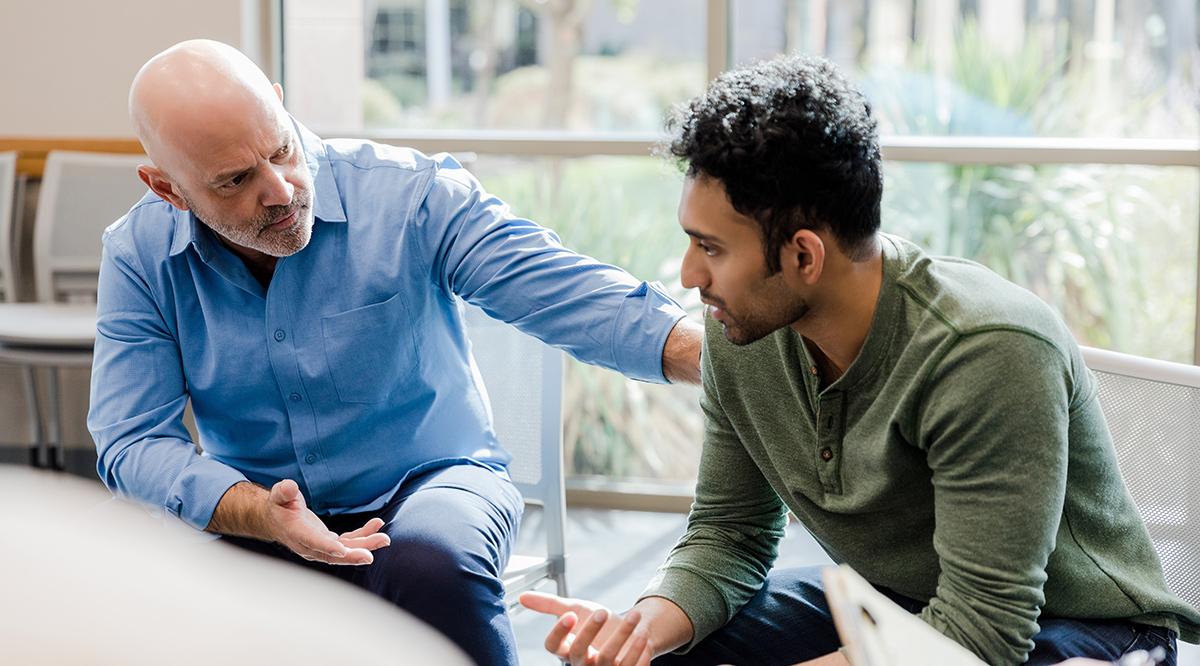
Even though many men are able to embrace the changes, it is common for males to struggle with masculinity and body image following treatment.
For men with prostate cancer, the prognosis is getting better over time. After a diagnosis, 98% of patients live for ten years or more, and the survival rate at fifteen years is now higher than 95%. But these medical developments have also brought attention to the mental health issues that many survivors face.
Erectile dysfunction, incontinence, hot flashes, and exhaustion are just a few of the side effects of treatment that can have a negative psychological impact. Although many men do recover to some extent and doctors have become more adept at handling these issues, survivors frequently experience changes in body image and a loss of manly self-esteem.
Navigating change
The experience of going through these transitions cannot be completely replaced by any amount of preparation. However, many survivors of prostate cancer report feeling pressured to choose a course of treatment without adequate upfront discussion about possible adverse effects, which might subsequently cause regrets or second-guessing. Patients generally claim that having a more thorough awareness of what to expect would have made them feel more prepared for cancer therapy.
Because of these factors, specialists stress how crucial it is to have open contact with the medical staff prior to starting therapy. Men can make decisions that best fit their values and quality-of-life objectives by having thorough discussions about therapeutic options, possible adverse effects, and anticipated results. Involving family members might be beneficial because partners are frequently encouraging.
Men are likely to perceive changes in their masculinity, body image, and self-esteem adversely at first following treatment. Younger men may find erectile dysfunction particularly challenging since it interferes with their ideal of spontaneous, natural sexual performance. New restrictions are also brought about by physical frailty; some men may be reluctant to travel for extended periods of time due to worries about incontinence.
It is usually the toughest for men with the greatest masculine beliefs to accept their disease, which makes them furious or unhappy. The biggest concerns for many men are the potential recurrence of the malignancy and long-term alterations in sexual functioning.
Over time, however, psychological burdens may lessen as men begin to accept their new lives as cancer survivors. Experts say an important part of this adjustment entails re-framing masculinity by adopting new ideals and letting go of others. Mentoring in prostate cancer support groups, for instance, can help men reaffirm their masculinity and regain confidence.
Seeing positives
Some cancer survivors say they feel more laid back and less aggressive on hormonal therapies that suppress testosterone. Others describe more openness in their relationships, stemming from their illness experience. Renegotiating intimacy to focus more on hugging and kissing can also be beneficial. For some older men, the loss of libido after treatment may even bring a sense of relief.
Exercise also improves mental health, even for men with advanced metastatic prostate cancer. Experts recommend aiming for 150 to 300 minutes of moderate-intensity or 75 to 150 minutes of vigorous exercise per week under a doctor’s guidance.
Ultimately, cancer treatment entails what many men see as an acceptable tradeoff between side effects and a longer life. Yet men should also go into treatment anticipating the changes they will likely experience.
“Having patients more fully understand both the short- and longer-term side effects will help ensure that treatment decisions are correct for the individual,” says Dr. Marc Garnick, the Gorman Brothers Professor of Medicine at Harvard Medical School and Beth Israel Deaconess Medical Center Guide to Prostate Diseases. “Prostate cancer support groups can help to explain issues surrounding incontinence, erectile dysfunction, and alterations to body image. As a prostate cancer specialist, I strongly urge patients and their partners and spouses to seek out this readily available assistance.”
