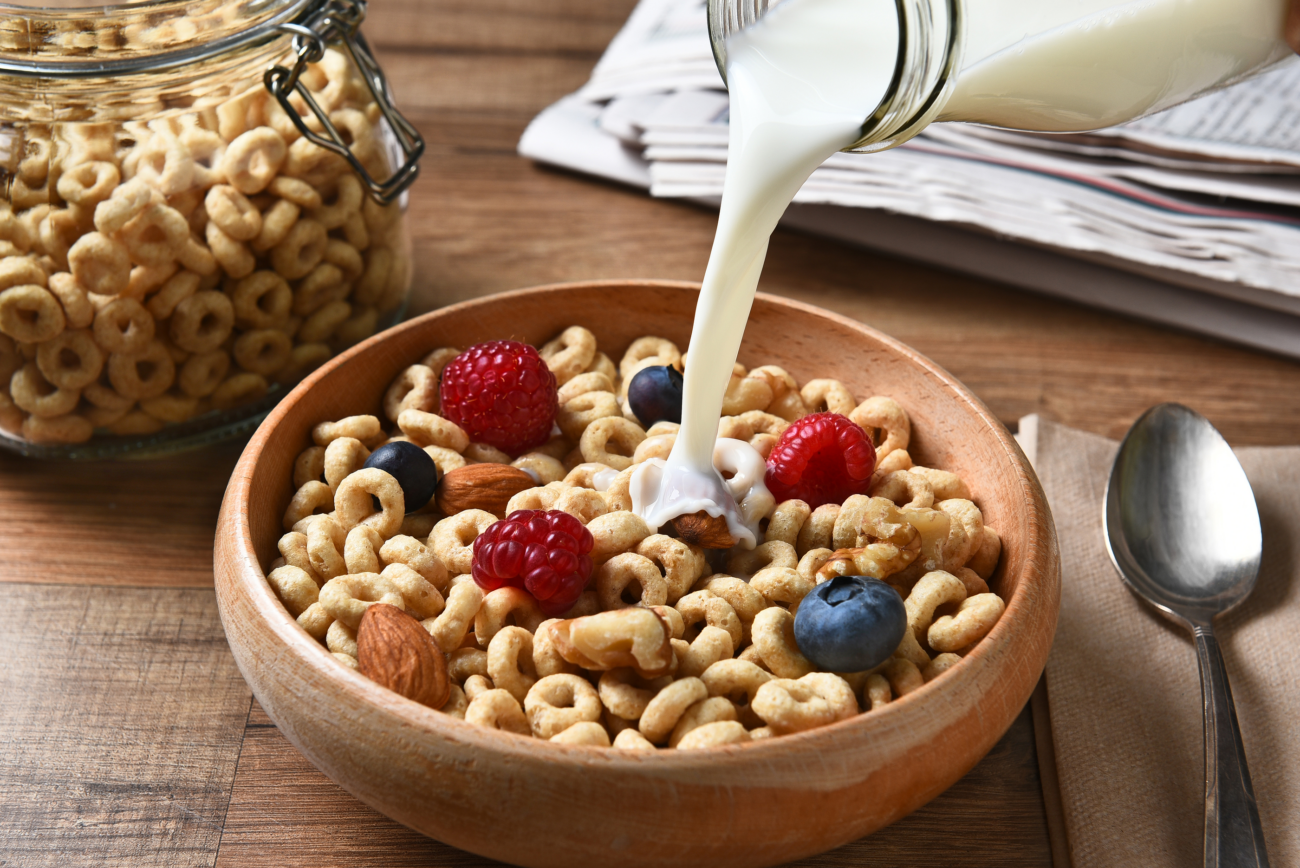
The nutritional worth of popular breakfast cereals, such as the one you’re currently eating, was investigated in a recent study. Advertising that promotes cereal as a healthy option contributes to its popularity. This is refuted by a 2025 survey of over 600 breakfast cereals, especially for several cereal all-stars.
How healthy are breakfast cereals?
Not very much. Many, if not most, of the most well-known cereal brands include a lot of sugar, very little protein before milk is added, a tonne of additives, and little else. Breakfast cereal is meant to be a healthy option, yet some don’t even contain much fibre.
You are aware that the box’s side frequently lists a calorie count of 120 to 150? It turns out that many people’s actual portions—including mine—can easily surpass 300 calories at a time.
What about eye-catching claims like “all natural,” “high in vitamins,” “heart healthy,” or “part of a healthy breakfast”? Regretfully, researchers have not discovered much of a relationship between overall nutritional content and health claims. In fact, for many cereals, the bulk of the nutritional value relies on something that’s not even in the box: milk.
A closer look at seven popular breakfast cereals
Here are the seven top-selling breakfast cereals in the US:
- Cheerios
- Frosted Flakes
- Honey Nut Cheerios
- Honey Bunches of Oats
- Cinnamon Toast Crunch
- Froot Loops
- Lucky Charms.
Most are sweet, highly processed, and have lots of empty calories. Some add vitamins, though usually in small amounts, while others sprinkle in sodium (salt) you don’t need. Playing up potentially healthy features such as fiber content while ignoring high sugar and calories is common. And cutting out artificial colors and flavoring won’t transform these cereals into healthy or nutrient-dense foods.
But breakfast cereals are getting healthier, right?
A study published in May 2025 found just the opposite. It looked at the nutritional value of 1,200 ready-to-eat cereals marketed to children that were new or reformulated between 2010 and 2023 and noted a clear trend in the wrong direction: increasing amounts of fat, sodium, and sugar along with decreasing protein and fiber.
Fortunately, there are efforts underway to improve the types of cereals kids eat: USDA guidelines for school breakfast programs this year aim to gradually reduce the amount of sugar and salt and increase the amount of whole grains required.
So, what’s a breakfast eater to do?
When it comes to breakfast choices, surely we can do better than sugar-packed, high-calorie, low-nutrient cereals that are hyped by marketers (especially to kids) and sell so well. One option, of course, is to switch to healthier breakfast foods like oatmeal with a sprinkle of fruit and nuts, eggs, yogurt with fruit, or peanut butter on whole grain toast.
But if you’re as stuck on ready-to-eat breakfast cereal as I am, check the nutrition label for these healthy aspects:
- whole grain as the first ingredient
- at least 2.5 grams of fiber per serving, though at least 5 grams per serving is even better
- minimal or no added sugar or sodium
- 150 calories or less per serving – and measure that serving, which is often 3/4 to 1 cup (far less than the average bowl holds!)
- a short ingredient list with items you recognize as food (rather than things like butylated hydroxytoluene or food dyes).
Examples of cereals that fulfill most of these include Shredded Wheat, Kashi Go Lean, Cheerios, and All-Bran.
The bottom line
If you like ready-to-eat breakfast cereal, it’s not the worst thing out there, especially when served with skim or non-dairy milks that are high in protein or have been fortified with it. But be selective and careful about portion control. A healthy breakfast helps fuel your body and should be more than sweet, crunchy junk food masquerading as a nutritious meal.
