For men with prostate cancer, the prognosis is getting better over time. After diagnosis, 98% of them survive for at least ten years, and the 15-year survival rate is currently higher than 95%. But these medical developments have also brought attention to the mental health problems that many survivors endure.
Erectile dysfunction, incontinence, heat flushes, and exhaustion are examples of treatment side effects that can be psychologically taxing. Although many men are recovering to some degree and doctors are now more adept at handling these issues, survivors frequently experience changes in body image and a loss of manly self-esteem.
Navigating change
No preparation can fully replace the experience of going thru these changes. However, many prostate cancer survivors report feeling pressured to make treatment decisions without adequate pre-discussion of potential side effects, which later led to regrets or hesitations. Patients generally say they would feel better prepared for cancer treatment if they had a more comprehensive understanding of what to expect.
For these reasons, experts emphasize the importance of open communication with the medical team before starting treatment. Having detailed discussions about treatment options, potential side effects, and expected outcomes can help men decide which options best align with their values and quality of life goals. Involving family members can be helpful – spouses are often supportive.
Immediately after treatment, men tend to view the changes in their masculinity, body image, and self-esteem negatively. Erectile dysfunction can be particularly challenging for younger men as it disrupts the ideal of natural and spontaneous sexual performance. Physical weakness also brings new limitations; some men may hesitate to be away from home for long periods due to concerns about incontinence.
Men with the strongest ideals of masculinity are often the ones who struggle the most with coping with their illnesses, which makes them angry or depressed. Many men cite long-term changes in their sexual function, as well as the potential recurrence of cancer, as their biggest concerns.
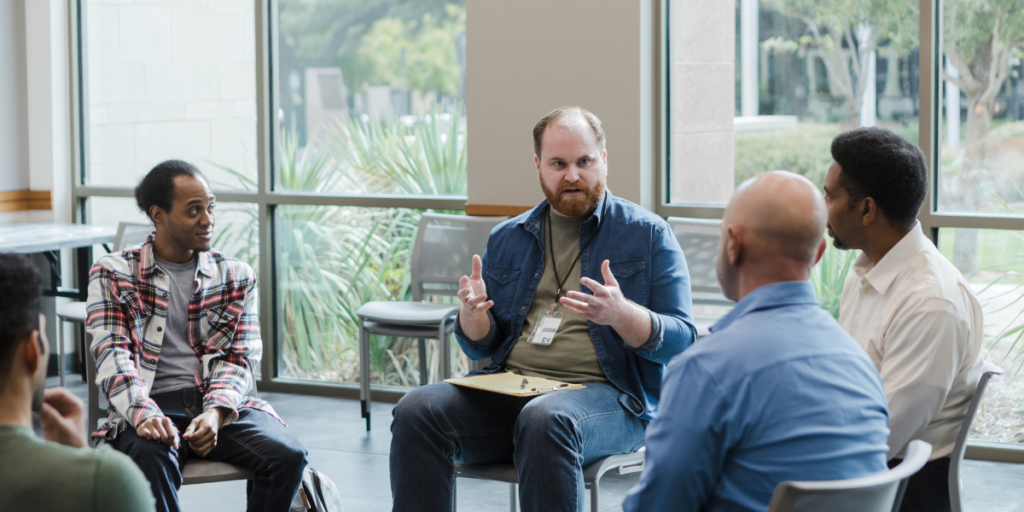
However, over time, as men begin to accept their new lives after overcoming cancer, the psychological burdens may lessen. Experts say that a key part of this adjustment is reframing masculinity by adopting new ideals and letting go of others. For example, mentoring in prostate cancer support groups can help men reaffirm their masculinity and regain their self-confidence.
Seeing positives
Some cancer survivors claim that hormonal treatments that lower testosterone have made them feel calmer and less hostile. Others claim that their experiences with illness have made them more transparent in their relationships. It can also be helpful to rearrange intimacy and concentrate more on kissing and embracing. Even the loss of sexual desire following treatment can be a source of solace for some older men.
Even individuals with advanced metastatic prostate cancer benefit from exercise in terms of their mental wellbeing. Experts advise 75 to 150 minutes of high-intensity exercise under medical supervision or 150 to 300 minutes of moderate-intensity exercise per week.
“Having patients more fully understand both the short- and longer-term side effects will help ensure that treatment decisions are correct for the individual,” says Dr. Marc Garnick, the Gorman Brothers Professor of Medicine at Harvard Medical School and Beth Israel Deaconess Medical Center, and editor in chief of the Harvard Medical School Guide to Prostate Diseases. “Prostate cancer support groups can help to explain issues surrounding incontinence, erectile dysfunction, and alterations to body image. As a prostate cancer specialist, I strongly urge patients and their partners and spouses to seek out this readily available assistance.”
